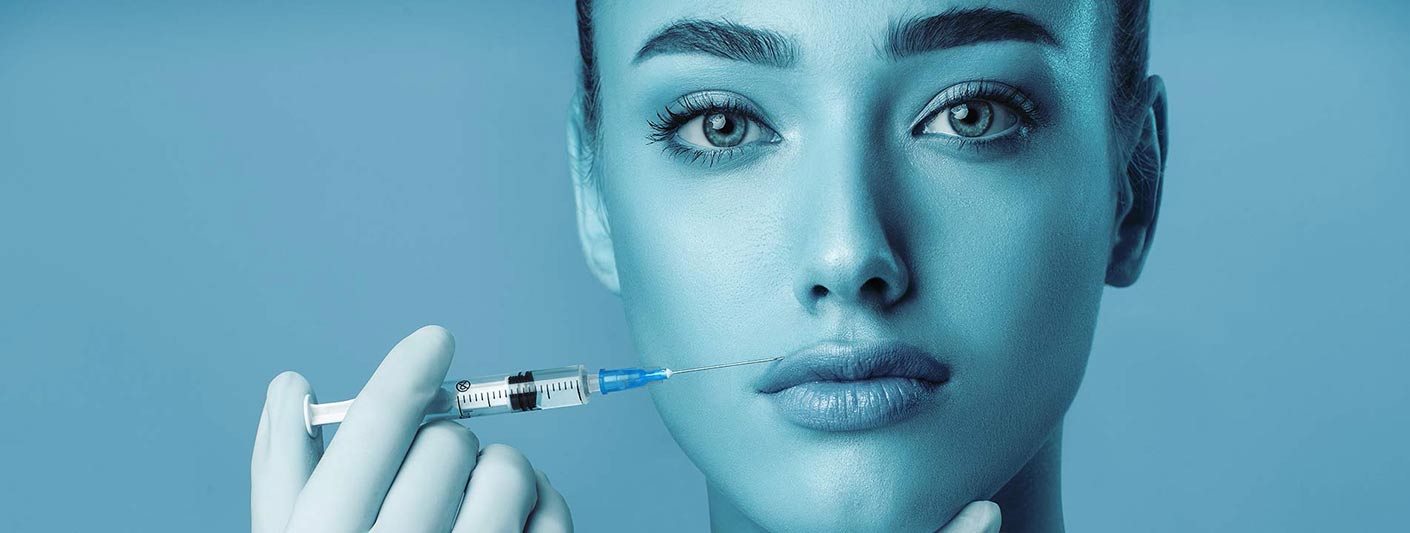
Advanced Botox Techniques for Forehead and Glabella
Master the art of treating the upper face with precision. This comprehensive guide covers essential anatomy, advanced injection patterns, optimal dosing strategies, and proven techniques to achieve natural-looking results while avoiding common complications.
The forehead and glabellar region represent the most frequently treated areas in aesthetic medicine, yet achieving consistently excellent results requires more than basic injection skills. Advanced practitioners must understand the intricate muscle anatomy, master precise injection techniques, and develop an artistic eye for facial balance. This guide explores the sophisticated approaches that separate competent injectors from truly exceptional ones.
Understanding Forehead and Glabellar Anatomy
Success in upper face treatment begins with comprehensive anatomical knowledge. The forehead and glabella comprise a complex interplay of muscles that create dynamic wrinkles through repeated facial expressions over years.
The Frontalis Muscle
The frontalis muscle is the primary elevator of the eyebrows and creates horizontal forehead lines when contracted. This broad, thin muscle extends from the eyebrows to the hairline and lacks bony attachments superiorly, instead inserting into the galea aponeurotica. Understanding frontalis function is critical because over-treatment causes brow ptosis, while under-treatment leaves patients dissatisfied with persistent lines.
The muscle's vertical fibers pull the eyebrows upward, counteracting the downward pull of the orbicularis oculi and other depressor muscles. In patients with naturally low brows or significant dermatochalasis, conservative frontalis treatment is essential to prevent a heavy, tired appearance.
The Glabellar Complex
The glabellar region contains three key muscles responsible for the vertical "11 lines" between the eyebrows. The procerus muscle originates from the nasal bone and extends upward between the eyebrows, creating horizontal lines across the radix when contracted. The paired corrugator supercilii muscles originate from the medial orbital rim and course laterally and superiorly, pulling the medial brow downward and medially to create vertical glabellar lines.
Additionally, the depressor supercilii, a medial extension of the orbicularis oculi, contributes to brow depression. Together, these muscles create the frown expression and become hyperactive in many patients, leading to deep, persistent furrows that age the face significantly.
Advanced Techniques for Horizontal Forehead Lines
Treating horizontal forehead lines requires balancing wrinkle reduction with brow position maintenance. The goal is achieving smooth skin at rest while preserving natural animation and preventing brow ptosis.
Strategic Injection Patterns
Advanced injectors employ customized injection patterns based on individual muscle mass, wrinkle severity, and baseline brow position. The standard approach uses 4-6 injection points placed 2-4 cm above the brow in a horizontal line, avoiding the central forehead in patients prone to ptosis.
For patients with thick frontalis muscles or deep rhytides, additional rows of injections may be necessary, typically placed 1-2 cm superior to the initial injection line. However, this aggressive approach requires careful assessment, as some patients develop compensatory brow elevation that becomes problematic if fully blocked.
Lateral Forehead Considerations
The lateral forehead deserves special attention. Injections placed too laterally risk affecting the lateral frontalis fibers responsible for lateral brow elevation, potentially causing lateral brow ptosis or an unnatural peaked brow appearance. Conservative treatment stopping 2-3 cm from the hairline generally produces optimal results.
Dosing Protocols for Natural Results
Forehead dosing varies significantly based on muscle mass, gender, and patient goals. Male patients typically require 15-30 units of onabotulinumtoxinA (Botox) for the forehead, while female patients typically need 8-20 units. Begin conservatively with new patients, particularly those with low brows or excess upper eyelid skin.
Distribute the total dose across injection points rather than depositing large volumes at single sites. This approach provides more uniform muscle relaxation and reduces the risk of asymmetry. Each injection point typically receives 2-4 units, adjusted based on local muscle thickness.
Mastering the Glabellar Complex
The glabellar complex is the most straightforward upper face region to treat, yet refinement in technique produces superior aesthetic outcomes and higher patient satisfaction.
Classic Five-Point Pattern
The traditional five-point injection pattern remains the gold standard for glabellar treatment. Place one injection into the procerus muscle approximately 1 cm above the radix, followed by two injections into each corrugator supercilii muscle. The corrugator injections should be positioned approximately 1 cm above the medial brow and 1 cm lateral to midline, with a second injection placed 1 cm superior and lateral to the first.
This pattern effectively addresses both vertical and horizontal glabellar lines while minimizing product diffusion to unintended areas. Maintain injections at least 1 cm above the brow to avoid upper eyelid ptosis from diffusion to the levator palpebrae superioris muscle.
Advanced Modifications
Advanced practitioners modify the classic pattern based on individual anatomy. Patients with severe glabellar rhytides may benefit from additional lateral corrugator injections or increased dosing. Conversely, patients with thin skin or minimal muscle mass require dose reduction to avoid an overly frozen appearance.
For patients with particularly strong procerus muscles causing significant horizontal lines across the nasal bridge, consider placing two procerus injections instead of one. This modification provides more complete muscle relaxation without requiring excessive doses that might diffuse to surrounding structures.
Optimal Glabellar Dosing
Standard glabellar dosing ranges from 20-25 units of Botox for female patients and 25-40 units for male patients. The procerus typically receives 4-6 units, while each corrugator injection point receives 3-5 units. Male patients generally require higher doses due to increased muscle mass and strength.
Assess muscle strength before treatment by having patients frown forcefully. Patients with exceptionally strong corrugator muscles may require dosing at the upper end of recommended ranges, while patients with weaker muscles benefit from conservative dosing to prevent overcorrection.
Avoiding Brow Ptosis: Critical Safety Considerations
Brow ptosis represents one of the most concerning complications in upper face neuromodulator treatment. Prevention requires understanding the dynamic balance between brow elevators and depressors, combined with precise injection technique.
Mechanism of Brow Ptosis
Brow ptosis occurs when frontalis muscle relaxation exceeds the relaxation of brow depressor muscles, causing the unopposed depressors to lower the brow. This complication is particularly problematic in patients with baseline low brows, excess eyelid skin, or significant facial asymmetry.
Prevention Strategies
Several techniques minimize ptosis risk. First, maintain all forehead injections at least 2 cm above the brow. Second, avoid treating the medial forehead in patients with low medial brows or hooding. Third, consider treating the glabellar complex more aggressively than the forehead to reduce depressor activity relative to frontalis relaxation.
For high-risk patients, implement a staged approach. Treat the glabellar complex fully during the initial session, then add conservative forehead treatment at a follow-up appointment two weeks later, allowing assessment of brow position before committing to full forehead relaxation.
Achieving Natural, Balanced Results
Technical proficiency must combine with artistic sensibility to produce truly exceptional aesthetic outcomes. Natural results preserve facial animation while reducing unwanted rhytides at rest.
Asymmetry Correction
Facial asymmetry is universal, and skilled injectors adapt treatment to either correct or preserve existing asymmetries based on patient preference. Document baseline asymmetries photographically before treatment to ensure realistic patient expectations and defend against post-treatment complaints.
Adjust dosing between sides when treating asymmetric muscle activity. The side with stronger muscle contraction requires slightly higher dosing to achieve balanced results. However, avoid overcorrecting, as this may create new asymmetries apparent during facial animation.
Age-Appropriate Treatment
Younger patients often desire subtle softening rather than complete wrinkle elimination, while older patients may accept or prefer more dramatic results. Adjust treatment intensity based on patient age, lifestyle, and aesthetic goals, documenting these preferences clearly in the medical record.
Common Mistakes to Avoid
Even experienced injectors can fall into common pitfalls that compromise results and patient satisfaction.
Over-Treatment
The most frequent error is excessive dosing, creating an unnaturally smooth, frozen appearance. Start conservatively with new patients, explaining that additional product can always be added at a two-week follow-up if needed, but excessive treatment cannot be reversed. This approach builds trust and ensures patient comfort with the treatment process.
Ignoring Muscle Recruitment Patterns
Some patients recruit frontalis excessively to compensate for brow ptosis caused by age-related tissue descent. Treating these patients' foreheads aggressively without addressing the underlying ptosis worsens the appearance. Consider recommending brow lift procedures or conservative neurotoxin treatment combined with brow-lifting filler techniques.
Inadequate Patient Education
Patients must understand that results require 3-7 days to begin appearing and reach full effect at 14 days. Failure to communicate this timeline leads to unnecessary anxiety and early follow-up appointments. Additionally, explain that initial treatments may require dosing adjustments to achieve optimal results customized to their unique anatomy.
Neglecting Follow-Up
Schedule two-week follow-up appointments or implement a photo-based virtual follow-up system. This practice allows outcome assessment, touch-up treatment if needed, and relationship building that encourages patient retention and referrals.
Advanced Combination Strategies
The most sophisticated aesthetic outcomes often result from combining neurotoxins with complementary treatments. Consider adding dermal fillers to the temple area to provide lateral brow support, or use fillers in the tear trough region to reduce lower eyelid shadowing that becomes more apparent after successful upper face treatment.
For patients with deep static rhytides that persist despite adequate neurotoxin treatment, consider adding ablative or non-ablative laser resurfacing, microneedling, or chemical peels to improve skin texture and reduce residual lines.
Elevate Your Injection Skills with Professional Training
While this guide provides essential knowledge for advanced forehead and glabellar treatment, nothing replaces hands-on training under expert supervision. Comprehensive certification courses allow practitioners to refine their technique, practice on live models, and learn from experienced aesthetic physicians.
Falcon Medical Training offers intensive, hands-on Botox certification courses designed for physicians, dentists, nurse practitioners, physician assistants, and registered nurses. Our comprehensive curriculum covers advanced injection techniques, facial anatomy, patient assessment, complication management, and practice-building strategies to ensure your success in aesthetic medicine.
Ready to Master Advanced Botox Techniques?
Join our comprehensive hands-on training program and learn from industry experts with over 23 years of experience. Gain the confidence and skills to deliver exceptional aesthetic results.